Origins of Beef Jerky: How the New World Shaped Our Diet
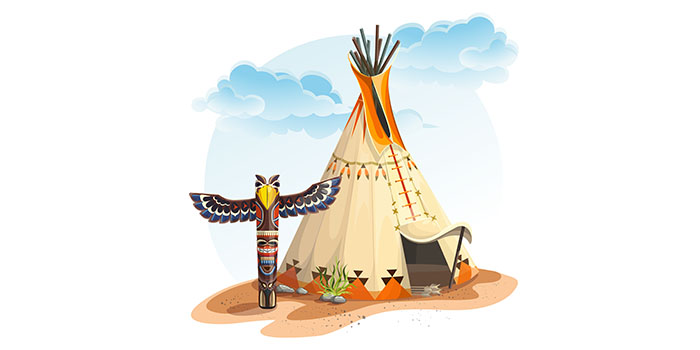
The jerky you grab at the checkout started out as survival food. Its story begins with the Native American tribes of North and South America, and even the name is theirs: it comes from a word meaning “dried meat.”
Nobody had a fridge back then, and many tribes spent long stretches on the move, far from fresh food. So they sliced meat thin, salted it, and dried it over a smoky fire or in the sun until it could travel as far as they did.
That first jerky wasn’t even beef. It came from local animals like bison, deer, and llama, because cattle didn’t reach the Americas until Europeans brought them over.
The newcomers picked up the jerky trick fast. Settlers and explorers packed it for the long push into the frontier, where the next fresh meal was never a sure thing.
Once fresh meals got easier to find, jerky went from survival food to snack, and its makers got creative with spices and flavors. Today there’s a jerky for just about every taste, and our jerky types section shows how far it’s come.
The long version is even more fun, and it starts below with the people who figured it all out first.
Meet the First Jerky Makers
Nobody knows exactly when people started drying meat, but some historians think tribes across the Americas were at it thousands of years ago. The name has done some traveling of its own, from ch’arki in the Andes to Spanish charqui to the “jerky” on your bag.
And the meat? Whatever lived nearby.
In the Andes, that meant llama and alpaca. Tribes farther north dried deer, elk, and of course bison.
Quick aside: people use bison and buffalo interchangeably, but they’re different animals. True buffalo live in Africa and Asia, so North America’s “buffalo” are really bison.

- Venison, elk, buffalo, and wild boar let you compare four different meats.
- Separate packs make the assortment easy to share or split between trips.
- Ready-made sampler is a convenient gift for someone curious about game jerky.
Sun, Smoke, and Salt: The Original Recipe
Bison or buffalo, the method was much the same from tribe to tribe. The meat came off the bone, the fat came off the meat, and what was left got sliced thin, salted, and smoked over a fire or dried in the sun.
Some took it a step further. The Cree made pemmican by pounding dried deer, elk, or buffalo meat fine, then mixing in melted fat (yes, the fat went back in) and often crushed dried berries.
The result was dense, filling, and easy to carry. Jerky and pemmican both traveled in rawhide pouches, ready whenever hunger hit.
How Jerky Won Over the Settlers
A food that traveled that well was bound to make new friends. When English colonists reached Virginia in the early 1600s, they found tribes drying meat so well it kept for a month or more.
The tribes showed the newcomers how it was done, starting with cutting meat into long, thin strips. Before long, jerky was a settler staple, both as a snack and as a meal that could go anywhere.
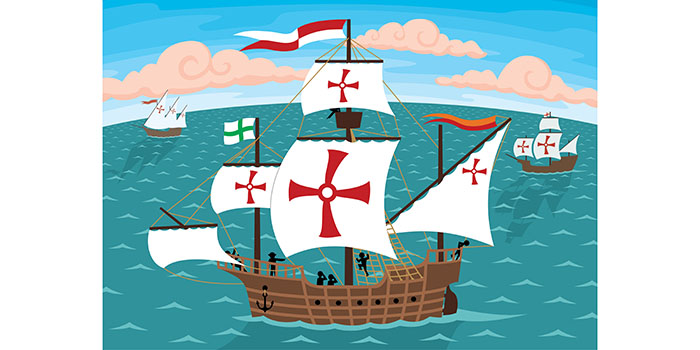
Its big moment came in the mid-1800s, as wagon trains and explorers headed west. Like the tribes before them, those travelers couldn’t count on finding fresh food along the way.
So they packed jerky made from all kinds of meat, even turkey and goose. It was so valued that some expeditions made sure a skilled jerky maker came along.
Jerky Hits the Factory Floor
Those skilled jerky makers eventually got some serious competition: factories. New ways of processing and storing food made packaged snacks the next big thing, and jerky was no exception.
Factory production made the craft simpler, so there are fewer specialized jerky makers today. Jerky fans, on the other hand, have never been more plentiful.
Millions of people around the world now eat jerky regularly, and beef leads the pack. It’s one of the most popular meats in American and European kitchens, so it’s no surprise most people reach for beef jerky over llama or buffalo.
The flavors have multiplied, too. Teriyaki, peppered, sweet and spicy, and plenty more are all riffs on a recipe that started out with little more than salt and smoke.
Just don’t be shocked by the price tag. Drying shrinks meat so much that it takes a lot of fresh beef to fill one bag, which is a big part of why good jerky costs what it does.
Mummies, Biltong, and Army Rations
Factories made jerky easy to buy, but the idea behind it is ancient. Some of the best evidence comes from Egypt, where archaeologists have found preserved meat tucked into tombs.
Much of it survived in surprisingly good shape. It turns out the Egyptians could mummify a lot more than people.
Other cultures have their own spin, too. In South Africa, the local favorite is biltong, a thicker, air-dried cousin of American jerky.

- Thin slices of air-dried beef offer a satisfying change from smoked jerky.
- Vinegar, coriander, and pepper give the beef a tangy, savory flavor.
- The sugar-free recipe suits snackers who prefer their beef without sweetness.
Jerky has even served in the military. After World War I, the U.S. Army made beef jerky part of the rations soldiers carried into the field.
More recently, Army food scientists tested jerky sticks packing about a cup of coffee’s worth of caffeine. That’s a protein snack and a pick-me-up in one.
The Bottom Line: Every Bag Has a Backstory
From mummies to caffeinated rations, that’s quite a track record for a strip of dried meat. These days, most of us don’t need jerky to survive, with supermarkets everywhere and a freezer in nearly every kitchen.
We keep reaching for it anyway, for the flavor and an easy hit of protein. Not bad for a food that started as a way to get through the lean times.
So the next time you tear open a bag, remember what you’re holding. It’s the same idea that kept Native American tribes, frontier settlers, and soldiers going, now waiting for you at the checkout.
QUOTE:
"You might be a redneck if you think that beef jerky and moon pies are two of the major food groups."
About the Author
Charles Joseph
In 2017, a good friend introduced me to the most amazing beef jerky I had ever tasted. And it was from the most unexpected of places--a guy in Thailand. Although I had been eating jerky since as far back as I could remember, I was genuinely blown away by the flavor. It was then that I realized the best beef jerky doesn't come from a store. This experience inspired me to create Beef Jerky Hub and put into writing all the things I've since learned about this amazing food. If you're interested, you can read more about my story here.